
Last Updated: November 6, 2026
Quick Summary
Drone photography insurance becomes a business necessity the moment you fly for payment, so treat cover as a fixed cost of trading rather than an optional extra. Your requirements come from three separate sources: the law, your client contract and the venue or landowner. Confirm your CAA permissions first, then check your policy matches them and your client’s written requirements.
- The CAA regulates how you fly but does not sell or mandate a specific insurance product for every commercial flight.
- Public liability covers third-party bodily injury and property damage, and client contract limits set your floor.
- Equipment cover protects airframes, gimbals, camera payloads, batteries, laptops and storage drives, which liability will not replace.
- A certificate of insurance should show policy number, cover type, limit, policy period and territorial scope.
- Do not assume a subcontractor’s cover protects you; ask whose operator ID the flight is logged under.
Table of Contents
- When Drone Photography Insurance Becomes a Business Necessity
- CAA Drone Insurance Requirements and Legal Obligations
- Drone Public Liability Insurance: Limits and Cover Scenarios
- Drone Equipment Insurance for Cameras, Drones and Laptops
- Drone Insurance Certificate for Clients, Venues and Tenders
- Coverage Scenarios and Exclusions Photography Businesses Should Check
- Subcontractors, Hired Pilots and Aviation Liability Gaps
- Requesting Cover Confirmation from Impact Aerial
- Frequently Asked Questions
When Drone Photography Insurance Becomes a Business Necessity
Drone photography insurance becomes a business necessity the moment you fly for payment, and that means nearly every commercial job. Cover is best treated as a fixed cost of trading, not an optional extra.
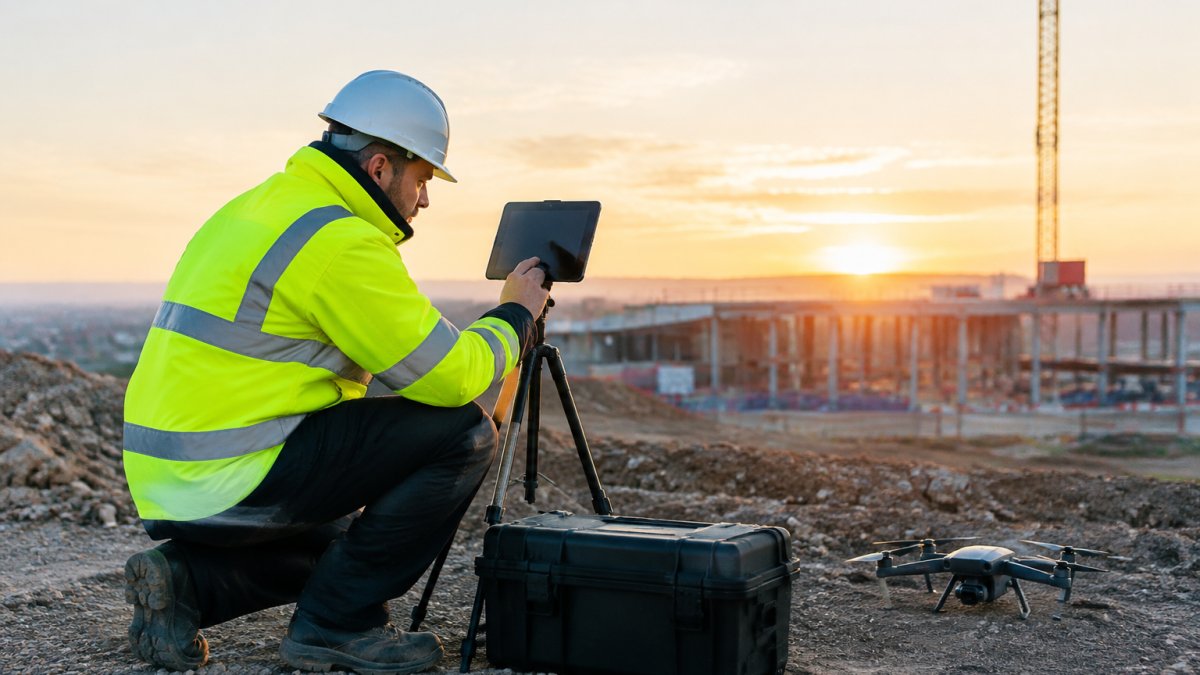
Hobby flights carry no client contract and no site access agreement. Commercial work carries both. Once you photograph a building site, a property listing or a solar farm for a paying client, three things happen at once:
- The client wants proof you can pay for damage you cause
- The venue wants assurance before it lets you through the gate
- The law expects you to fly safely and accountably
That is where drone photography insurance requirements for businesses start to bite. A single incident involving property damage or bodily injury can cost far more than the job was worth.
CAA Drone Insurance Requirements and Legal Obligations
Most guides blur two different things here. The Civil Aviation Authority regulates how you fly; it does not sell or mandate a specific insurance product for every commercial flight. Insurance is a separate obligation that sits alongside those rules, and it is driven by three distinct sources: the law, your client contract, and the venue or landowner. Keeping legal duties, client terms and site requirements distinct also makes it easier to judge whether a business insurance policy covers the risks your work actually creates.
What the CAA Actually Requires
The CAA regulates unmanned aircraft in UK airspace. The CAA guidance on drone flying sets out these requirements clearly, including the differences between the open and specific categories and the conditions attached to each.
What the CAA does not do is sell you insurance. It requires you to operate safely and within the law. Your cover is what protects you when something goes wrong despite that. Clients and venues increasingly ask for both, and they are not interchangeable.
Separating Legal Minimums from Contractual Expectations
A useful decision tree starts with the operation type and the aircraft category, then layers on what the client and venue demand.
- Operation type. Hobby flights carry no client contract and no site access agreement. Commercial work carries both. The moment money changes hands, you are running a commercial drone operation and the expectations shift.
- Aircraft category and location. Flights in the specific category, near people, over congested areas or within restricted airspace carry different risk profiles. The CAA permissions you hold define what you may do; your policy must be consistent with those permissions or a claim can be refused.
- Client requirements. Procurement teams and main contractors commonly specify a minimum public liability limit in the contract or tender. That figure becomes your floor, regardless of what the law says.
- Venue and landowner requirements. Airports, solar farms, construction sites and private estates often impose their own insurance conditions before granting access. These can be stricter than the client’s.
Watch out: assuming that holding a GVC or operator ID satisfies an insurance requirement. Certification and cover are separate, and a venue that asks for a certificate of insurance will not accept a certificate of competence in its place.
Where Insurance Fits in the Regulatory Picture
Insurance sits in the gap between “flying legally” and “flying commercially.” If you are weighing up whether certification genuinely lowers your business risk, our guide on why hire a GVC-certified drone pilot explains the risk and return in plain terms. The practical rule is simple: confirm your CAA permissions first, then confirm your policy is written to match them, then confirm your client and venue requirements are met in writing.
Drone Public Liability Insurance: Limits and Cover Scenarios
Drone public liability insurance covers claims from third parties for bodily injury or property damage caused by your flight. It is the core cover most commercial clients ask about first.
Consider a drone clipping a scaffold and dropping onto a parked van. Public liability would respond to the van owner’s claim; without cover, that cost could fall on the operator personally.
How to Assess a Suitable Liability Limit
There is no single correct figure. Work backwards from your risk:
- List your largest jobs and the property values nearby
- Note what your biggest clients and venues demand in writing
- Check whether tenders specify a minimum cover level
- Add headroom for legal costs, not just the physical damage
- Review the figure each year as your work grows
A common approach is to match your limit to your client’s contract requirements rather than guessing. If a tender demands a specific figure, that figure becomes your floor.
Public liability is the core cover clients ask about, and the limit you choose should be worked out from your own risk rather than guessed.
| Step | What to do |
|---|---|
| 1 | List your largest jobs and nearby property values |
| 2 | Note what biggest clients and venues demand in writing |
| 3 | Check whether tenders specify a minimum cover level |
| 4 | Add headroom for legal costs, not just physical damage |
| 5 | Review the figure each year as your work grows |
Drone Equipment Insurance for Cameras, Drones and Laptops
Drone equipment insurance protects the kit itself: airframes, gimbals, camera payloads, batteries, laptops and storage drives. Public liability will not replace a drone you crash into a tree.
This is the cover photographers underrate. A professional camera payload can represent a significant investment, and a laptop holding site footage represents a data loss as well as a hardware loss.
- Accidental damage: crashes, hard landings and water damage
- Theft: kit taken from a vehicle or site cabin
- Loss: equipment that simply goes missing
- Hired-in kit: cover for rented lenses or backup airframes
Check the policy exclusions carefully. Many policies exclude damage from flying beyond the manufacturer’s stated limits, or from operating in conditions the manual warns against.
Drone Insurance Certificate for Clients, Venues and Tenders
A drone insurance certificate for clients is the document that proves your cover exists, and it is often the first thing a procurement team asks for. It should show your policy number, the cover type, the limit, the policy period, and the territorial scope. A certificate that omits the territorial scope is a common reason for a tender query, because the client needs to know the cover applies where the flight takes place.
Build a simple document pack you can send within minutes:
- Certificate of insurance showing public liability cover
- Confirmation of aviation liability cover if the policy includes it
- Operator ID and flyer ID details
- GVC certification evidence
- A named contact for claims or incident questions
- A risk assessment summary for the specific site
- Policy schedule extract showing limits and exclusions relevant to the job
What Clients and Tender Teams Commonly Ask For
Clients often ask for further detail beyond the certificate itself, such as the policy schedule, the liability limit and confirmation of territorial scope. Some main contractors may require the certificate to name them as an interested party.
Watch out: sending a certificate that shows a lower limit than the tender requires, or one that has expired. Check the policy period against the project dates before you send anything.
Verifying a Subcontractor’s Cover
When you bring in a second pilot, do not assume their cover protects you. When you are vetting an operator, our guide to hiring a commercial drone operator walks through the checks that matter before you sign anything.
Coverage Scenarios and Exclusions Photography Businesses Should Check
The exclusions matter more than the headline limit. A policy that looks generous on paper can leave you exposed on the jobs you actually do.
Watch out: flying inside a restricted area without permission can void a claim entirely, because the flight itself breaches the conditions of cover.
Common exclusions to read line by line:
- Flights outside the CAA permissions you hold
- Deliberate or reckless operation
- Use of the footage for purposes the policy does not cover
- Privacy and data claims arising from what you capture
That last one deserves attention. Aerial imaging captures people, number plates and private property. If your work supports insurers directly, our guide on a drone survey for commercial insurance renewal shows how survey imagery feeds into that process.
Subcontractors, Hired Pilots and Aviation Liability Gaps
Hiring a second pilot feels like scaling. It can quietly open an aviation liability gap. Your policy may cover your own flights but not those of a subcontractor operating under their own certificate.
Ask three questions before you hand over a job:
- Does my policy name the subcontractor, or exclude them?
- Whose operator ID is the flight logged under?
- If they cause damage, whose insurer pays?
A common mistake is assuming a subcontractor’s cover protects you. It protects them. Your client may still look to you, because you took the booking. When you bring in outside pilots, the checks in our guide to hiring a professional drone pilot help you close that gap before the flight.
Requesting Cover Confirmation from Impact Aerial
Getting proof of cover should take one email, not a week of chasing. Impact Aerial holds £5m commercial liability insurance.
Our pilots are CAA GVC certified operators.
If you are new to commissioning aerial work, our overview of commercial drone services explains what business-grade operations involve and when you cross that line.
Ask us for our certificate and operator details before your next project.
Insurance is one of those costs that feels optional until the day it is not.
Frequently Asked Questions
Is insurance legally required for commercial drone photography in the UK?
Not by a single blanket statute. The Civil Aviation Authority regulates commercial drone operations and requires operators to understand their obligations, but holding a specific policy is not a universal legal condition of flying commercially. In practice, cover becomes mandatory through other routes: venue access terms, client contracts, tender requirements and aircraft hire agreements. Most commercial operators carry drone public liability insurance because almost every serious client asks for proof before work begins.
Does public liability insurance cover drone photography?
Drone public liability insurance covers claims from third parties for bodily injury or property damage caused during flight operations. It typically responds if a drone strikes a person, damages a vehicle or hits a building. It does not cover damage to your own drone or camera equipment, which needs drone equipment insurance, and it usually excludes deliberate acts and illegal flying. Check that the policy names aerial photography and commercial use explicitly rather than assuming a general photography policy extends to flight.
How much public liability cover should a drone photography business carry?
Common commercial limits run from £1 million to £5 million or more per occurrence, and many construction clients, property developers and venues specify a minimum in their contract. Assess your limit against the worst realistic incident on your sites: a drone striking a person, damaging a listed building or interrupting a live operation. Higher-value sites and larger tenders usually demand higher limits. Impact Aerial carries £5m commercial liability insurance.
Do clients or venues require proof of drone insurance?
Yes, routinely. Construction firms, property developers, facilities managers and event venues typically ask for a drone insurance certificate for clients before granting site access or confirming a booking. The certificate should show the policyholder name, the limit of indemnity, the policy period and confirmation that commercial aerial work is covered. Send it early in the procurement process, keep a current copy ready, and check whether the client needs to be named as an interested party on the policy.

 2 Norton Drive, Wythall, Birmingham, B47 6HH Company registration number: 11138586. VAT Number: 366 9068 55


